Remote cognitive assessment designed for dementia patients
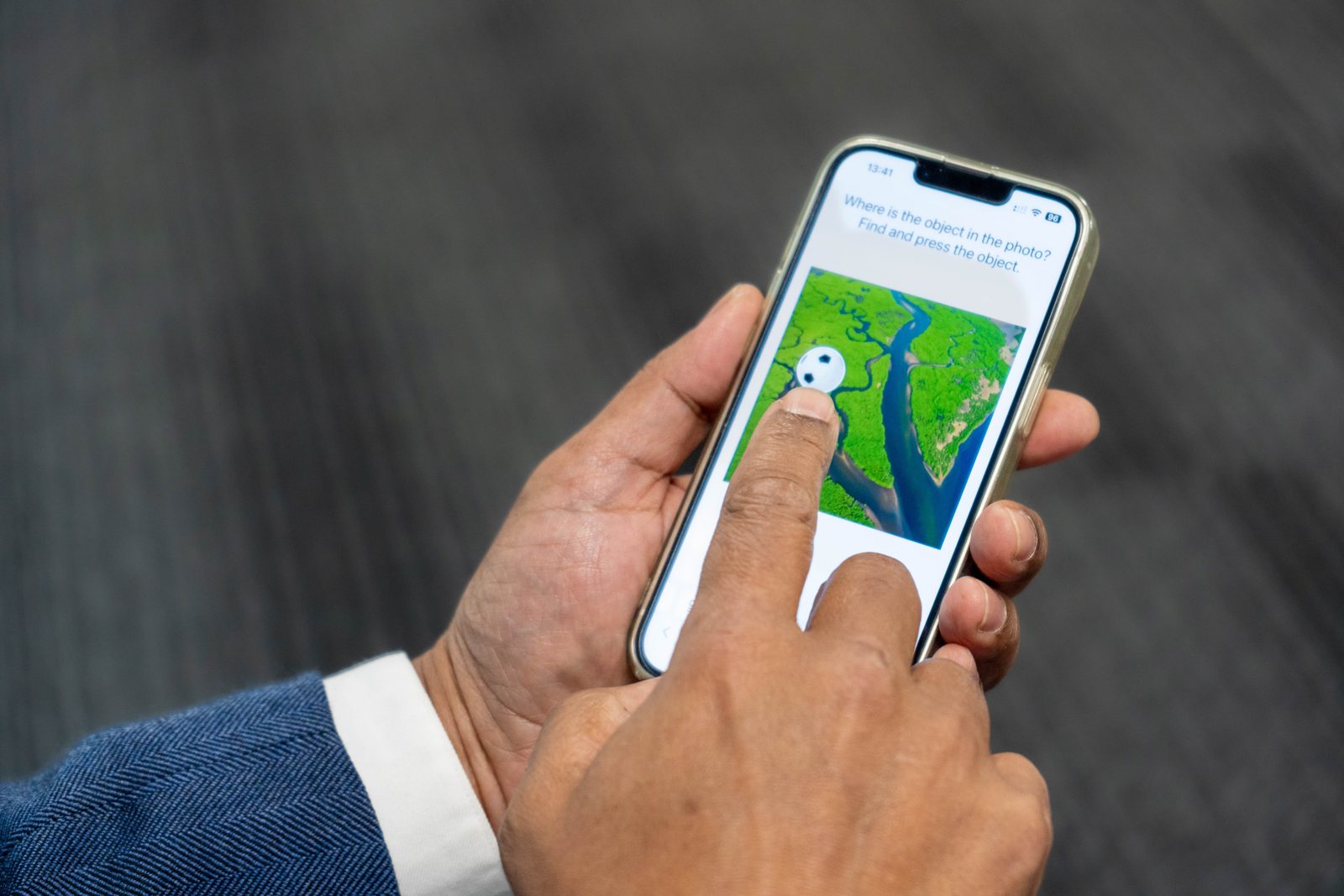
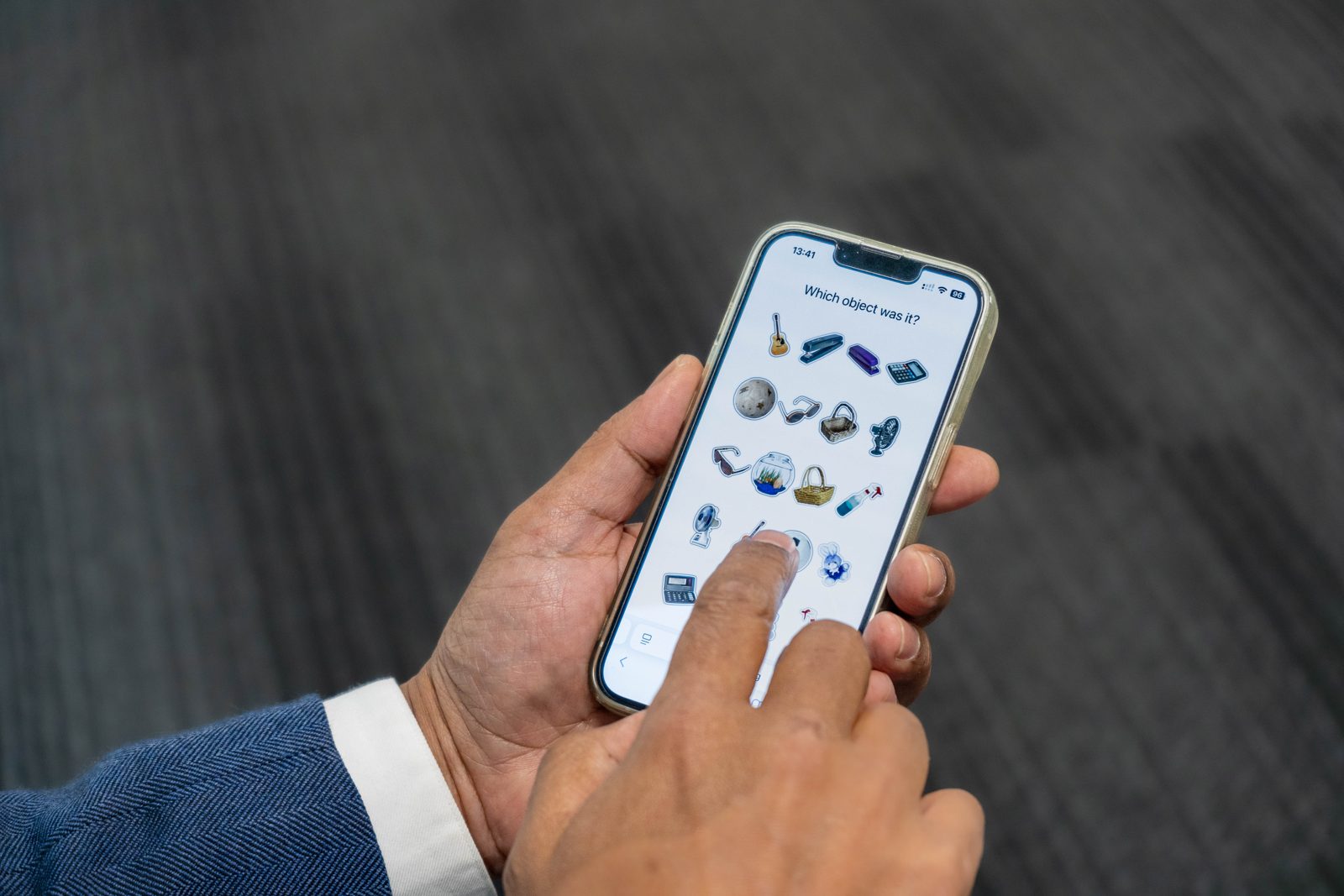
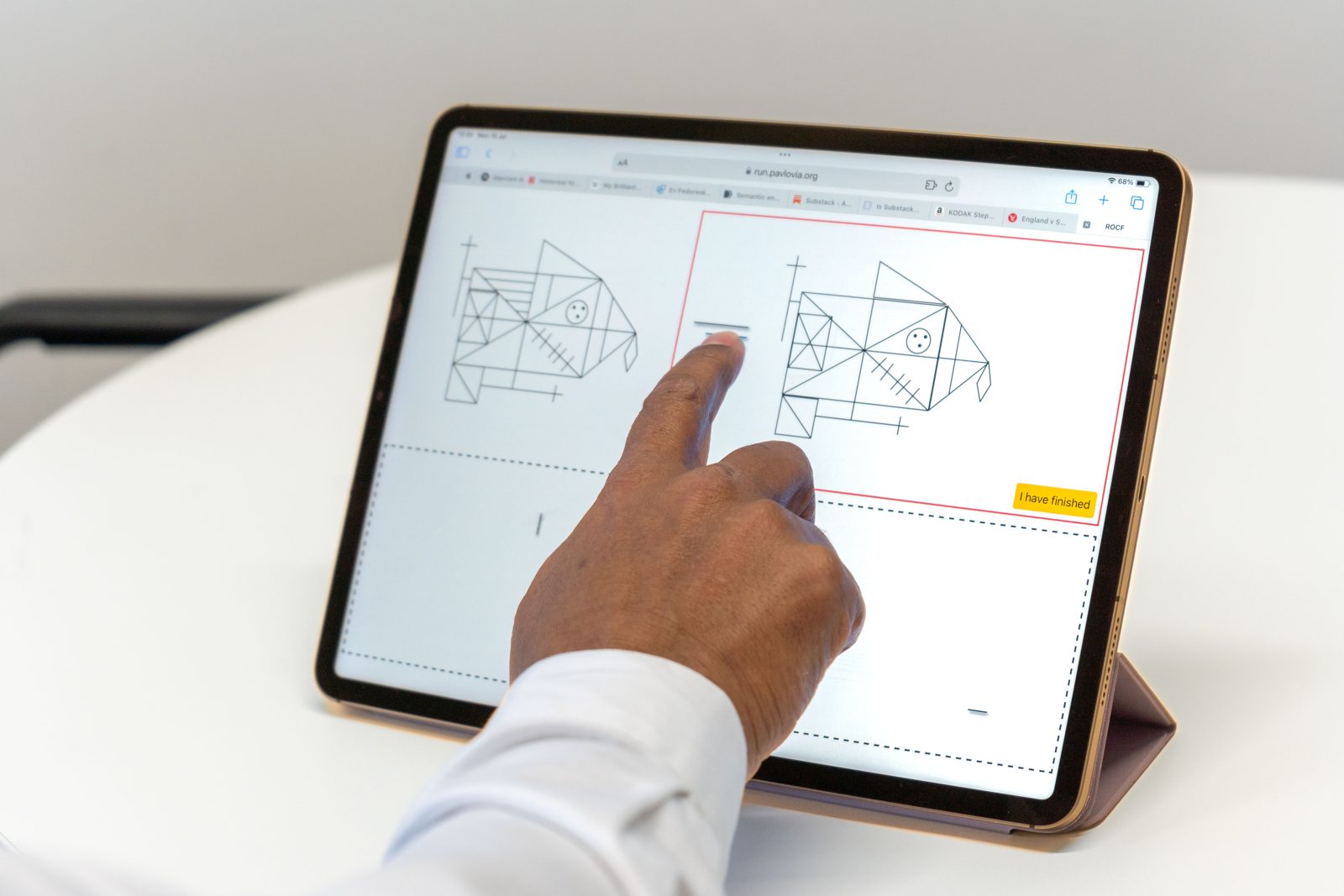
OCTAL is a validated digital cognitive battery developed by neurologists and cognitive scientists at the University of Oxford. No app downloads, no logins, just open a browser and go. Click the icons below to try each task on a tablet or computer. The phone-optimised version, MiniOCTAL, takes about 10 minutes.
But you don't need to use all the tasks. A combination of just two (taking about 5 minutes) can detect cognitive impairment as accurately as a 20-minute clinician-administered cognitive screen (AUC = 0.92), and can differentiate between subjective cognitive decline and mild cognitive impairment. Read more about OCTAL →
OCTAL is used by memory clinics in routine care and by research teams studying health and disease, on five continents. OCTAL tasks are also part of the FAST Brain Health Study, run by Dementias Platform UK at the University of Oxford across more than 20 clinical sites in the UK.
Every site runs the same tasks in the participants' own language, so results can be compared across countries. The tasks are currently available in 44 languages. If yours is not yet among them, contact us and we will add it; we would welcome help from native speakers on your team to proofread the translation.
Sites:Bristol, Cambridge, Canterbury, Christchurch, Gaza, Harare, Hefei, Hong Kong, Leuven, Lhasa, London, Milan, Newcastle, Oxford, Paris, Shanghai, St Louis, Taipei, Tel Aviv, Trondheim.
Filled dots are memory clinics, rings are research sites. If your clinic or study should be on this map, let us know.
The paper behind this website. It describes the whole OCTAL battery, how it was designed around people with dementia, and how it performed in healthy ageing and in memory clinic patients tested at home and in clinic. Two short tasks alone detected cognitive impairment as accurately as a 20-minute clinician-administered screen.
Asks how stable blood tests and OCTAL measures are when repeated at the intervals used in clinics and trials. The OCTAL measures were highly reliable, so repeating them added nothing to diagnostic accuracy, whereas the blood marker pTau181 was the least reliable measure and the only one that benefited from a repeat sample.
Combines OCTAL scores with a new generation of blood tests across Alzheimer's disease and other neurodegenerative conditions. The aim is to find digital measures that track the blood markers, and to identify people whose cognition holds up better than their blood results alone would predict.
The first validation of the online OCTAL tasks against blood tests for Alzheimer's disease. In patients and elderly controls, performance on the digital tasks tracked plasma biomarker levels, particularly p-tau181, and combining p-tau181 with the single best task classified the groups with high accuracy.
Contact
These tasks are developed by Dr Sijia Zhao and Prof Masud Husain from Cognitive Neurology Research Group at University of Oxford. Thanks to Dr Gabriel Jones for the inspiration of the branding design. The intellectual property is licensed by Oxford University Innovation (OUI). If you have any queries, please contact Dr Sijia Zhao (octal@psy.ox.ac.uk).